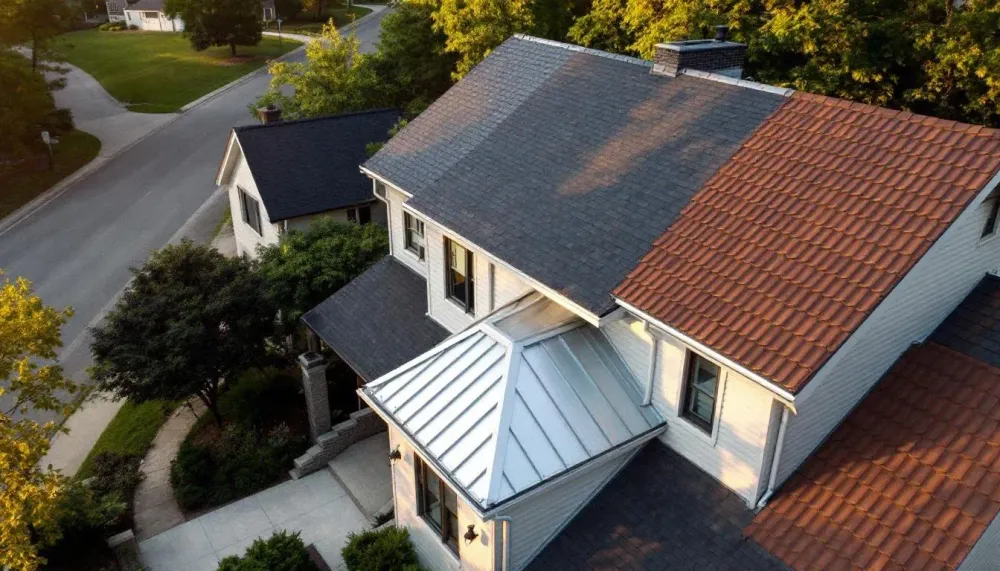
Living in the Windy City means accepting a few undeniable truths: deep-dish pizza is superior, dibs is a sacred winter tradition, and our weather is absolutely relentless. When a sudden lake-effect blizzard gives way to a rapid spring thaw, your home takes a beating. The first line of defense against these brutal elements is the roof over your head.
Choosing the right roofing material isn't just about boosting your home's curb appeal. It is a critical decision that impacts your daily comfort, your monthly energy bills, and your property's long-term structural integrity.
Whether you are building a new home in the suburbs or replacing an aging roof on a classic Chicago bungalow, understanding your options is essential. This comprehensive guide will help you compare asphalt, metal, and tile roofing materials to determine the best fit for your home and budget.
Why Chicago Weather Demands Specific Roofing Materials
Chicago's climate is notoriously punishing on exterior building materials. We regularly experience extreme temperature swings, sometimes shifting from -20°F in the dead of winter to a sweltering 100°F during summer heatwaves. This rapid expansion and contraction puts immense stress on any roof.
This continuous freeze-thaw cycle is a primary cause of premature roof failure. When snow melts on a warm roof deck and refreezes at the colder eaves, it creates ice dams. These dams force water back under the roofing materials, leading to severe leaks and interior water damage. Finding the best roofing for Chicago weather means prioritizing materials that can withstand this constant thermal shock and shed water efficiently.
Furthermore, we cannot ignore the high winds sweeping off Lake Michigan. Spring and summer storm systems frequently bring wind gusts that can easily tear away subpar roofing materials. When evaluating Chicago climate roofing options, wind resistance ratings are just as important as waterproofing.
Ultimately, selecting the right midwest roofing materials requires a careful balance. You need a system tough enough to carry heavy winter snow loads, resilient enough to handle hail, and reflective enough to keep your attic cool during humid August afternoons.
Asphalt Shingles: The Chicago Standard
Drive down almost any residential street in Cook County, and you will see asphalt shingles. They remain the undisputed champion of residential roofing, and for good reason. Asphalt shingles in Chicago offer an excellent balance of affordability, aesthetic versatility, and reliable weather protection.
For most homeowners, cost-effectiveness is the primary draw. The average asphalt roof cost Chicago residents can expect to pay typically ranges from $8,000 to $15,000, depending on the size and complexity of the home. This makes asphalt the most accessible option for quick replacements following severe storm damage.
Architectural vs. 3-Tab Shingles
When choosing asphalt, you generally have two main options: traditional 3-tab shingles and architectural (dimensional) shingles. We strongly advise Chicago homeowners to skip 3-tab shingles. While cheaper, they simply do not offer the wind resistance needed for our climate.
Architectural shingles are thicker, heavier, and significantly more durable. Premium asphalt Chicago roofing materials can withstand wind gusts up to 130 mph, offering crucial protection during severe Midwestern thunderstorms. They also provide a more textured, premium look that mimics the appearance of wood shake or slate.
With proper attic ventilation and professional installation, a high-quality architectural asphalt roof will last 15 to 25 years in the Chicago area. To maximize performance in snow and ice conditions, ensure your contractor installs a high-quality ice and water shield along the eaves and in the roof valleys.
Metal Roofing: Premium Protection for Chicago Homes
While asphalt is the standard, metal roofing in Chicago is rapidly gaining popularity among forward-thinking homeowners. Once reserved for commercial buildings or rural barns, modern residential metal roofing offers sleek aesthetics and unparalleled durability.
The biggest advantage of steel roofing in Chicago weather is its exceptional snow-shedding capability. Because the surface is smooth and heat-conductive, snow tends to slide off metal roofs before it can accumulate into dangerous, heavy loads. This drastically reduces the formation of ice dams, keeping your home's interior safe from winter water intrusion.
Metal roofs are also incredibly resilient against wind and hail. Many highly-rated metal systems boast wind resistance ratings up to 140 mph. In the summer, metal roofs act as a radiant barrier, reflecting solar heat away from your attic and significantly lowering your air conditioning costs.
The primary hurdle for most homeowners is the initial investment. The metal roof Chicago cost is substantially higher than asphalt, generally ranging from $20,000 to $40,000 for a standard single-family home. However, considering a metal roof can easily last 40 to 70 years, it is often the last roof you will ever need to buy.
Tile Roofing: Luxury Options for Chicago Climate
For homeowners looking to make a dramatic architectural statement, tile roofing offers unmatched elegance. Often seen on historic properties or high-end custom builds, tile roofs provide a distinct, luxurious aesthetic. However, installing tile roofing in Chicago requires careful consideration of our unique climate challenges.
Traditional clay tile in a Chicago climate can be problematic. Clay is naturally porous, meaning it can absorb moisture. When that trapped moisture freezes and expands during a harsh Illinois winter, the clay tiles can crack or shatter.
Concrete Tile: The Stronger Alternative
If you desire the look of tile, concrete tile roofing in Illinois is generally the superior choice. Concrete tiles are manufactured to be less porous and far more resistant to freeze-thaw damage. They can be molded to mimic the look of traditional clay, wood shake, or even slate, providing incredible design flexibility.
The most critical factor with any tile roof is the weight. Tile is exceptionally heavy, and not all homes are structurally framed to support it. Before upgrading to tile, a structural engineer must assess your home to ensure the roof trusses can handle the load, especially when combined with heavy winter snowfall.
Due to the complexity of the installation, you must hire specialized contractors. The underlayment system beneath the tiles does the actual waterproofing, and if it isn't installed perfectly, the roof will fail regardless of the tile's quality.
Cost Comparison and ROI Analysis for Chicago Homeowners
Replacing your roof is a major financial undertaking. When evaluating your options, it is helpful to look beyond the initial price tag and consider the overall Chicago roofing investment.
Here is a general breakdown of upfront costs by material type for a typical Chicago home:
- Asphalt Shingles: $8,000 – $15,000 (Lowest upfront cost, moderate lifespan)
- Metal Roofing: $20,000 – $40,000 (High upfront cost, exceptional lifespan)
- Concrete Tile: $30,000 – $50,000+ (Highest upfront cost, requires specialized labor)
The roofing cost Chicago homeowners pay upfront is only part of the equation. You must also factor in long-term Return on Investment (ROI). For example, metal and tile roofs offer superior energy efficiency, which can shave hundreds of dollars off your utility bills over a decade.
Additionally, many Illinois insurance companies offer premium discounts for homes with Class 4 impact-resistant roofing materials, which frequently include metal and premium architectural asphalt.
Finally, consider the resale value. If you plan to sell your home in the next five years, an asphalt roof replacement cost in Chicago offers the best immediate ROI, as buyers expect a solid, leak-free roof. If you are staying in your "forever home," the longevity and zero-maintenance appeal of metal or tile make them a smarter, more cost-effective choice over a 30-year period.
Choosing the Right Chicago Roofing Contractor for Your Material
Even the most expensive, premium roofing material will fail prematurely if it is installed incorrectly. The success of your project relies entirely on the skill and experience of your chosen professionals. You need the best roofers Chicago has to offer, specifically those with a proven track record installing your selected material.
When searching for Chicago roofing contractors, material-specific expertise is vital. A crew that excels at laying asphalt shingles may not have the specialized sheet metal folding skills required for a standing seam metal roof. Always ask potential contractors about their manufacturer certifications. Certified installers have undergone rigorous training from the brand, ensuring your roof is installed to exact specifications.
Questions to Ask Your Roofer
To ensure you are hiring a reputable Chicago roofing company, ask these critical questions during your consultation:
- Are you fully licensed, bonded, and insured in the state of Illinois?
- Do you have specific experience with Chicago building codes and permit requirements?
- Will you tear off the old roof, or are you planning to roof over it? (Always tear off to inspect the decking).
- What is the difference between the manufacturer's material warranty and your company's workmanship warranty?
Finding reliable professionals can feel overwhelming, whether you need the best roofing company Oak Park has for a historic restoration or standard Chicago area roofers for a suburban replacement. You want to ensure you are comparing quotes from the best roofing companies in Chicago without falling victim to storm-chaser scams.
To make your search easier and safer, we recommend utilizing our directory to find verified Chicago roofing contractors. By connecting with pre-vetted, local professionals, you can confidently secure quotes from the best roofers in the Chicago area.
Your roof is your home's ultimate shield against the unpredictable Midwest weather. Take the time to weigh the pros and cons of asphalt, metal, and tile. Factor in your budget, your neighborhood's aesthetic, and your long-term plans for the property. By pairing the right material with an experienced, highly-rated contractor, you can rest easy the next time the storm sirens sound across the city.